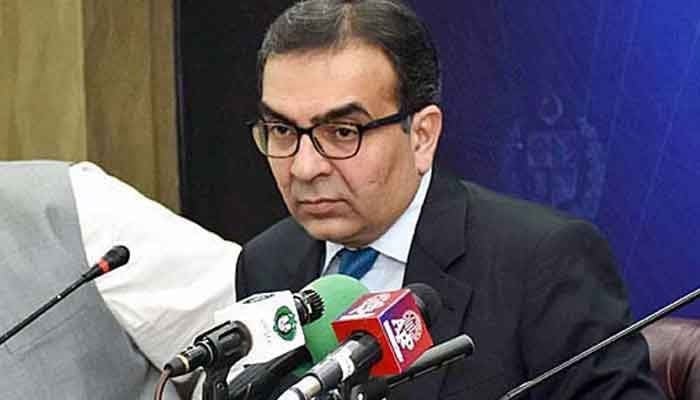
ISLAMABAD, December 24 (TNF): Pakistan International Airlines (PIA) is expected to come under new management from April next year, subject to regulatory and cabinet approvals, as the government moves closer to completing the long-delayed privatization of the national flag carrier.
Adviser to the Prime Minister on Privatization Muhammad Ali said on Wednesday that the transition to new ownership would also bring fresh capital into the airline, marking a decisive shift away from years of losses and state support.
Speaking to Reuters, Ali said the government anticipated that a new owner would be running PIA by April, provided all approvals were secured on time. He said the process had now entered its final phase after a successful bidding round.
A consortium led by Arif Habib Corporation emerged as the highest bidder in a live-televised auction on Tuesday. The group offered Rs135 billion for a 75 per cent stake in PIA, comfortably exceeding the government’s reserve price of Rs100 billion.
The bid marked a major turnaround from last year’s failed privatization attempt, when the airline attracted little investor interest.
Muhammad Ali said the transaction structure focused on reviving the airline rather than simply selling it. “We did not want a situation where the government sells the airline, takes its money, and the company still collapses,” he said.
Under the deal, the government will receive around Rs10 billion in upfront cash. It will also retain a 25 per cent stake, valued at approximately Rs45 billion. Ali said this meant the state would receive a total value of Rs55 billion from the transaction.
He explained that the remaining funds from the bid would be injected directly into PIA to stabilize operations, modernize the fleet, and improve services.
The process now moves to approvals by the Privatisation Commission board and the federal cabinet. Ali said these approvals were expected within days. Contract signing could follow within two weeks, while financial close would take place after a 90-day period to meet regulatory and legal conditions.
The winning consortium includes Fatima Fertilizer, City Schools, and Lake City Holdings Limited. Ali said the buyer could add up to two more partners, including a foreign airline, if they met the required criteria.
He said allowing additional partners could strengthen the airline financially and bring in global aviation expertise. He confirmed that Fauji Fertilizer Company, which initially showed interest, did not bid but could still join the consortium later.
Ali said safeguards were built into the agreement. These include retained earnest money and additional payments at signing. If the deal fails to close, the government retains the right to approach the second-highest bidder.
On labor issues, Ali said the buyer would be required to retain all PIA employees for at least 12 months after the transaction. Employment contracts would remain unchanged during that period. He added that PIA’s workforce had already reduced significantly over recent years.
The privatization has drawn close attention from the International Monetary Fund, which has urged Pakistan to stop losses at state-owned enterprises. Ali said the PIA sale was a critical test of Pakistan’s reform credibility.
“Failure to offload loss-making state firms risks renewed pressure on public finances,” he said. He added that closing the deal would signal momentum on broader reforms and future privatizations.
Addressing a press briefing in Islamabad, Ali said efforts to sell PIA had stretched over two decades. He recalled that an earlier attempt last year had failed. He described the current sale as the result of six months of intensive work, due diligence, and coordination among stakeholders.
He credited Shehbaz Sharif, the federal cabinet, Ishaq Dar, and Asim Munir for guiding the process.
Ali said PIA’s decline reflected years of mismanagement. He noted that around 50 years ago, the airline operated nearly 50 aircraft. By now, that number should have exceeded 100. Instead, PIA currently flies only 18 planes.
“We reached this stage because mistakes were committed over many years,” he said. “It is not the government’s job to run businesses.”
Ali rejected criticism that the government was giving away the airline cheaply. He said the transaction ensured both state value and airline revival. He revealed that PIA incurred losses of Rs500 billion between 2015 and 2024.
He also clarified that liabilities had not disappeared. “We are transferring Rs180 billion in liabilities to the new buyer,” he said. He explained that the government removed only long-term debt to make the airline investable.
Ali said the government had protected its interests through pledged shares, standby letters of credit, and promissory notes. Some tax exemptions were granted to ensure commercial viability, including relief from general sales tax on airline operations.
Looking ahead, Ali cited the consortium’s plan to expand PIA’s fleet to 65 aircraft within four years as a sign of renewed confidence.
“We have not lost our pride,” he said. “There is no pride in owning airlines. Pride is lost when planes do not fly.”
 English