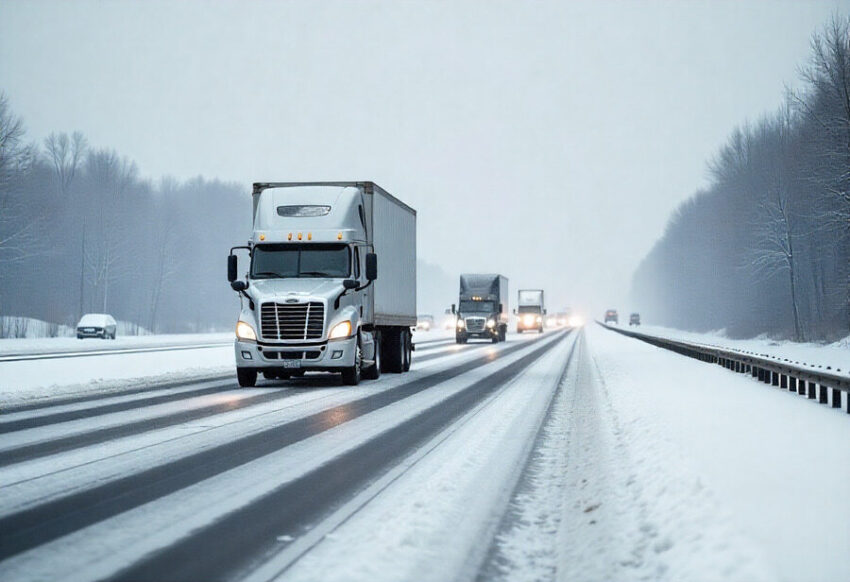
LOS ANGELES, December 26 (TNF): A significant winter storm sweeping across high-elevation regions of California and Nevada is raising serious concerns for travelers, as heavy snowfall, strong winds, and deteriorating road conditions threaten to disrupt both local movement and seasonal travel plans. Authorities have warned that the storm, described as one of the earliest and most impactful of the season, could make travel in mountainous areas extremely hazardous over the coming days.
According to our correspondent in California, the storm is expected to bring snowfall accumulations of up to six inches in certain high-altitude locations, accompanied by wind gusts reaching as high as 40 miles per hour. These conditions are likely to result in slick roads, blowing snow, and sharply reduced visibility, particularly across mountain passes and popular tourist destinations.
The National Weather Service (NWS) has issued winter weather advisories for several key mountainous regions in both states. In California, advisories are in effect for the White Mountains of Inyo County, while in Nevada, alerts have been issued for the Sheep Range, Spring Mountains, Mount Charleston, and Red Rock Canyon. The advisories primarily target areas above 7,000 feet in elevation, where snow accumulation is expected to be most severe.
Meteorologists warn that snowfall totals could range between three and six inches in the highest elevations of the White and Inyo Mountains, while areas situated between 6,000 and 7,000 feet may receive one to three inches of snow. Though these totals may appear moderate, officials stress that the combination of snowfall and gusty winds significantly heightens the risk for drivers. Blowing snow can quickly obscure road markings, create icy patches, and lead to sudden whiteout conditions.
Travelers heading toward mountainous tourist attractions or relying on high-elevation routes have been urged to delay non-essential travel where possible. Local authorities are advising motorists to check road conditions frequently, carry snow chains where required, and ensure vehicles are properly equipped for winter driving. Emergency kits, warm clothing, and fully charged mobile devices are also being recommended for those who must travel.
The storm is particularly notable as it marks the first major winter weather event of the season in the region, serving as an early reminder of the challenges winter can pose in the western United States. Weather officials note that early-season storms often catch drivers unprepared, increasing the likelihood of accidents and road closures.
In Nevada, recreational areas such as Mount Charleston and Red Rock Canyon, which typically attract large numbers of visitors, are expected to be among the hardest hit. Officials caution that access roads to these locations could become impassable at times, prompting possible temporary closures if conditions worsen.
As reported by our correspondent in California, the storm is forecast to persist through Wednesday morning, with lingering impacts possible even after snowfall tapers off. Authorities continue to monitor the situation closely and have emphasized that conditions may change rapidly.
Residents and travelers alike are being advised to remain vigilant, follow official guidance, and prioritize safety as the winter storm continues to unfold across California and Nevada’s high-elevation regions.



 English