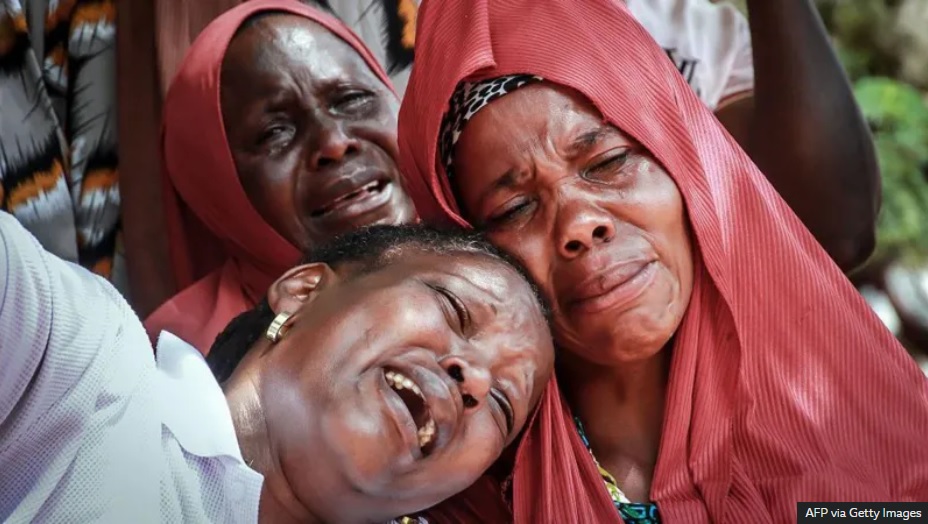
NAIROBI, December 31 (TNF): The events that unfolded in Tanzania in October captured the deep strains running through African politics in 2025. Protesters took to the streets after an election they believed was rigged. Police opened fire. Several demonstrators were killed. Regional and continental bodies condemned the vote. Tanzania’s long-standing image as a stable and peaceful nation fractured in a matter of days.
President Samia Suluhu Hassan secured victory with 98 percent of the vote. Most opposition figures were either jailed or barred from contesting. Hopes that Tanzania might move toward a more open political system appeared to collapse. What happened there reflected a wider disconnect across the continent between citizens and those in power.
Across Africa, the past year saw disputed elections, widespread protests, and the consolidation of power by military rulers. Analysts warn that the pattern could intensify in the year ahead. Mo Ibrahim, whose foundation tracks governance across Africa, described the overall trend as worrying. He said progress in governance has stalled compared to the decade before 2022.
His foundation’s data shows declines in participation, accountability, and public trust. The rise in coups, the return of military governments, and shrinking democratic space all point to deeper failures in governance. Ibrahim warned that unless these trends are addressed, hard-won gains could be reversed.
Economic pressure played a major role. Rising living costs fuelled anger in many countries. Inflation hit households already struggling with unemployment and weak public services. While this was a global issue, its impact in Africa proved particularly volatile. Ibrahim said the danger lies in negative patterns spreading unchecked.
There were some positive moments. In Malawi, former president Peter Mutharika returned to power after time in opposition. In Seychelles, the United Seychelles party regained office after losing power five years earlier. In both cases, voters punished incumbents for failing to cushion the effects of inflation.
Elsewhere, ruling parties suffered setbacks. South Africa’s African National Congress lost its parliamentary majority for the first time since 1994 and entered a power-sharing arrangement. In Senegal, protests and court rulings blocked attempts by the president to extend his rule. A relatively unknown candidate won the presidency after the main opposition leader was excluded.
Yet these examples stood in contrast to developments in other regions. In West Africa’s Sahel, military-led governments tightened their grip. Mali, Niger, and Burkina Faso formally broke away from the regional bloc Ecowas. All three are now ruled by juntas that seized power through coups.
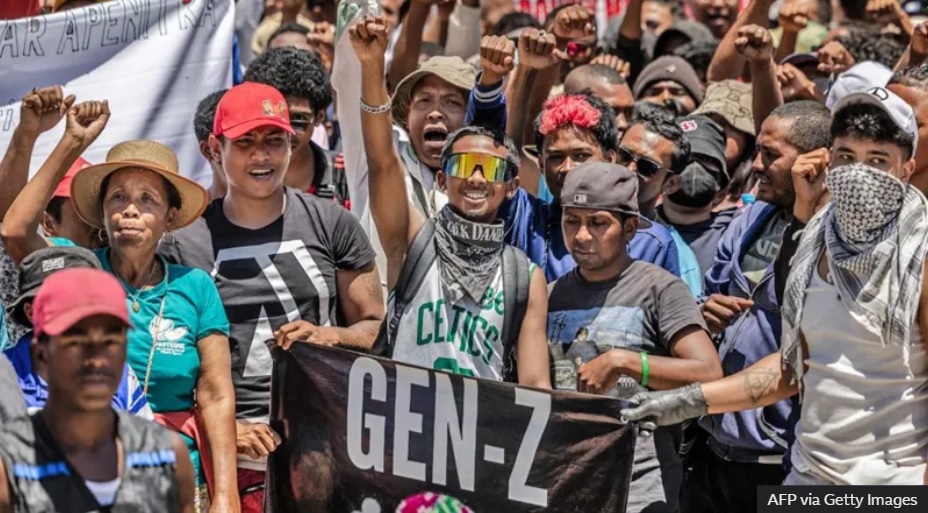
Demographics added further pressure. Africa has the world’s youngest population and some of its oldest leaders. Social media has amplified youth voices and raised expectations. In Cameroon, the average age is just over 18. Yet President Paul Biya, now 92, was sworn in for an eighth term after divisive elections in October. He has ruled for 43 years.
Protests followed. Demonstrators challenged the legitimacy of the vote. While security forces responded less violently than in Tanzania, the unrest signalled a generational shift. Young people showed they were ready to confront entrenched leadership.
In some cases, protest delivered results. In Madagascar, weeks of youth-led demonstrations over poor services forced President Andry Rajoelina to sack his cabinet. The unrest did not stop there. In October, the military deposed him and installed an interim president. While coups undermine democracy, analysts say they also reflect public frustration with unresponsive civilian leaders.
Protests are becoming a defining feature of African politics. Nerima Wako, a Kenyan civic engagement activist, said demonstrations often become the last option when formal channels fail. Petitions, lobbying, and parliamentary appeals frequently lead nowhere. Protest becomes the only tool left.
Wako said social contracts are breaking down. Young Africans are demanding access to health care, clean water, and jobs. Governments, she warned, are moving too slowly. Adem Abebe, an adviser at the International Institute for Democracy and Electoral Assistance, said public satisfaction is declining. People feel political freedoms are shrinking and services are failing.
External politics also matter. Western governments, once vocal on democratic standards, are now distracted by global crises. Under President Donald Trump, the United States has shifted toward transactional relationships. Abebe said African governments now have alternatives, including China and Russia, which reduces external pressure for reform.
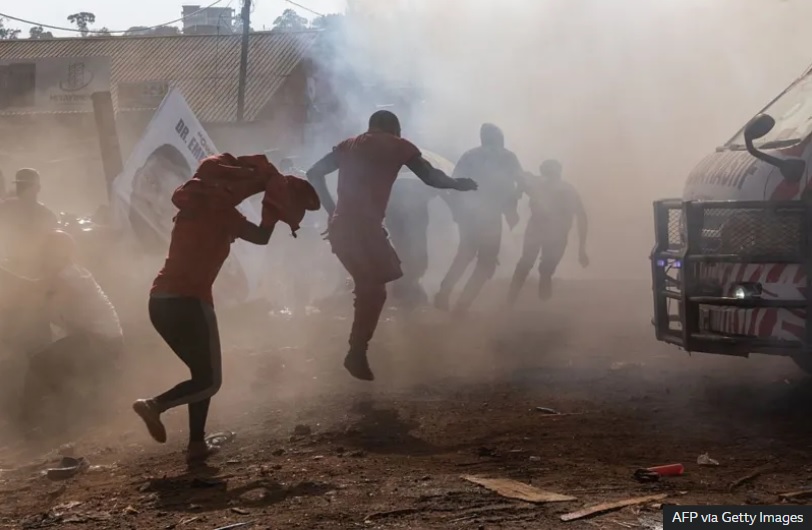
By the end of 2025, another coup struck Guinea-Bissau. The total number of African countries under military rule rose to eight. An attempted coup in Benin failed after swift regional intervention, offering a rare sign of renewed resolve.
As Uganda prepares for elections in early January, concerns remain. President Yoweri Museveni has ruled for 40 years. Past polls were marred by violence and irregularities. The outcome will test whether lessons from 2025 have been learned.
Mo Ibrahim believes the continent stands at a crossroads. Africa’s youth now form the majority. Their voices, he said, must translate into democratic practice. Governments that listen, invest, and respect rights may yet secure stability. Those that do not risk deeper unrest.

 English