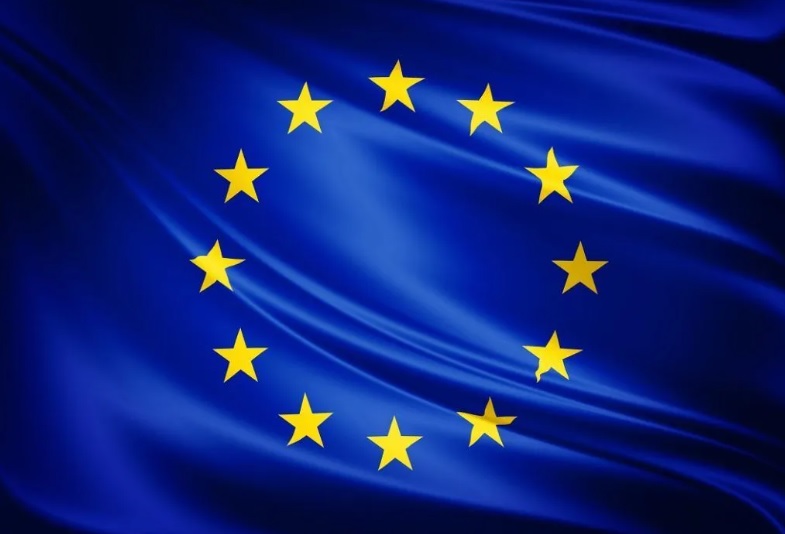
BRUSSELS, December 28 (TNF): The European Union has reaffirmed its firm support for Somalia’s unity and territorial integrity following Israel’s decision to recognize Somaliland as an independent state, a move that has triggered strong regional and international reactions.
In a statement issued on Saturday, the EU said that respecting Somalia’s unity, sovereignty and territorial integrity is essential for peace and stability across the Horn of Africa. The remarks came a day after Israel became the first country to formally recognize Somaliland. The statement was reported by TRT World.
“The European Union reaffirms the importance of respecting the unity, the sovereignty and the territorial integrity of the Federal Republic of Somalia,” the bloc said.
The EU stressed that its position aligns with Somalia’s constitution as well as the principles set out in the charters of the African Union and the United Nations.
According to the EU, Somalia’s territorial integrity remains a cornerstone for regional stability. The bloc warned that unilateral moves affecting borders or sovereignty could fuel instability in an already fragile region.
The EU also called for dialogue to address long-standing disputes between Somalia’s federal government and authorities in Somaliland.
It said it “encourages meaningful dialogue between Somaliland and the Federal Government of Somalia to resolve long-standing differences.”
The statement made clear that political disagreements should be settled through negotiation rather than unilateral actions.
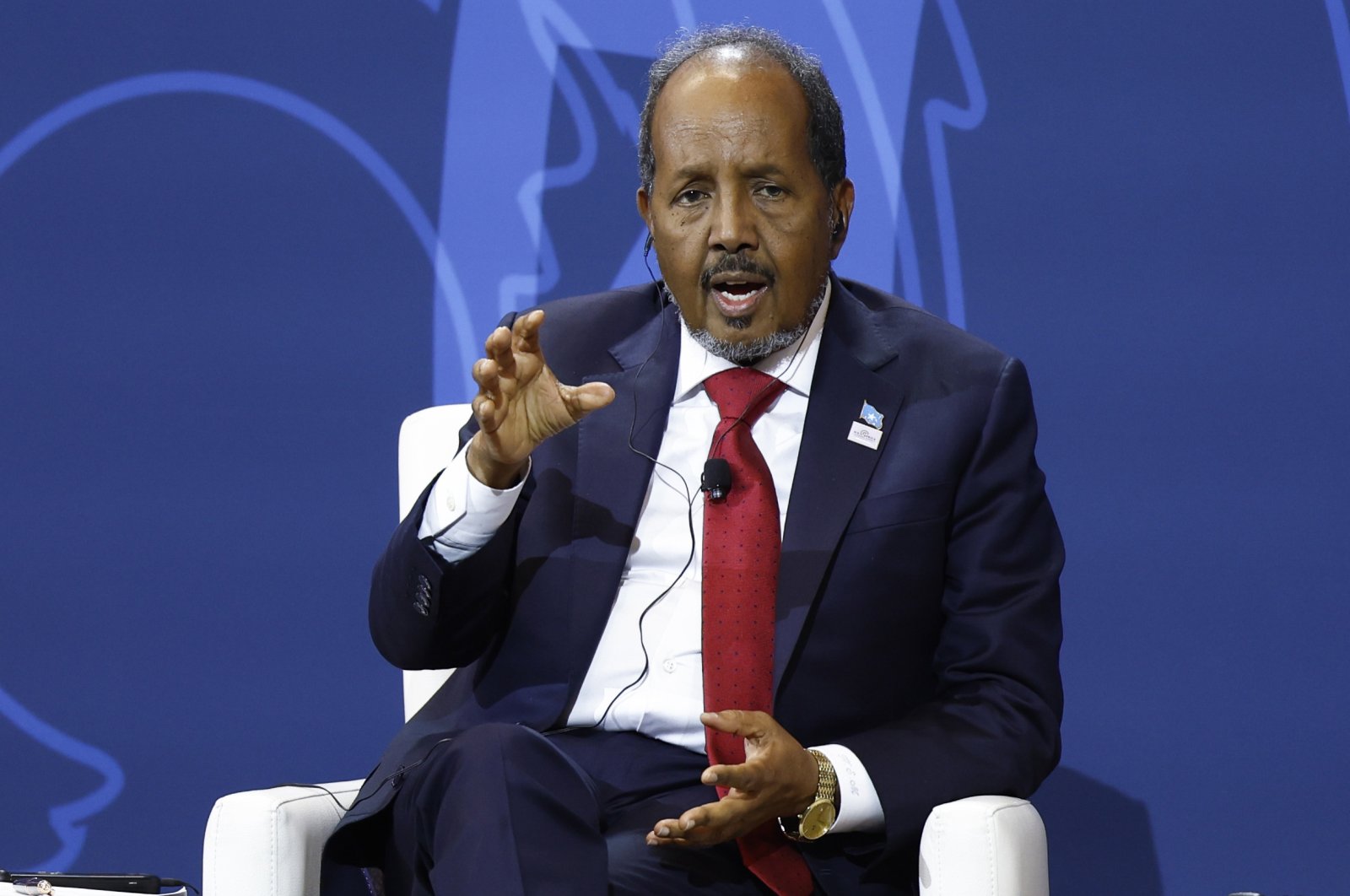
Israel’s decision has drawn sharp criticism from Somalia’s leadership. Somali President Hassan Sheikh Mohamud condemned the move and described it as a violation of international law.
“The illegal aggression of Prime Minister Netanyahu in recognizing a part of Somalia’s northern region is against international law,” Mohamud wrote on X, formerly Twitter.
He said foreign interference in Somalia’s internal affairs undermines established diplomatic norms.
“Meddling with Somalia’s internal affairs is contrary to established legal and diplomatic rules,” he added.
“Somalia and its people are one, inseparable by decisions taken from afar.”
Israel announced the recognition on Friday, with Prime Minister Benjamin Netanyahu framing the move as part of broader regional outreach. The decision immediately sparked condemnation from several countries.
Türkiye, Egypt, Djibouti and other African and Middle Eastern states have rejected Israel’s recognition of Somaliland. Many have warned that the move threatens regional peace and sets a dangerous precedent.
The African Union has also reiterated its long-standing position in support of Somalia’s territorial integrity. The AU has consistently opposed the recognition of breakaway regions, citing risks of fragmentation and instability across the continent.
Somaliland declared independence from Somalia in 1991 after the collapse of the central government in Mogadishu. Since then, it has operated as a self-governing entity with its own political and security structures.
Despite relative stability compared to much of Somalia, Somaliland has failed to secure international recognition for more than three decades.
The Somali federal government continues to view Somaliland as an integral part of the country. It rejects any foreign engagement with Somaliland that bypasses Mogadishu.
Somali officials say Israel’s move undermines international law and threatens efforts to rebuild the Somali state after decades of conflict.
Analysts say the EU’s response reflects concern about wider implications for the Horn of Africa. The region already faces armed conflict, humanitarian crises and political instability.
European diplomats have long supported Somalia’s state-building process. The EU has invested heavily in humanitarian aid, security assistance and governance reforms in Somalia.
By reaffirming Somalia’s unity, the EU signaled that it does not support unilateral recognition of breakaway regions.
Observers note that the call for dialogue is aimed at preventing further escalation between Mogadishu and Hargeisa, Somaliland’s capital.
Somalia’s leadership has vowed to pursue diplomatic and legal measures to challenge Israel’s decision. Officials say they will engage international partners to prevent further recognition of Somaliland.
Public reaction inside Somalia has been strong. Lawmakers and civil society groups have urged unity and a firm response.
The situation has added another layer of tension to the Horn of Africa, where political rivalries often spill across borders.
For now, the EU’s stance places it alongside the African Union and the United Nations in backing Somalia’s territorial integrity.
Diplomats say sustained international consensus will be key to preventing further fragmentation and preserving stability in the region.
 English